Pokémon TAG TEAM TCG Touring Activation
Turning imagination into discovery
Role: Creative Direction · Art Direction · Concept Development · Experience Design · Campaign Development · AI Creative Direction (Assisted by Giles)
CREATED AT: Brand & Deliver
Pokémon has always been about discovery.
Created to support the launch of Pokémon TCG's new TAG TEAM expansion, Pokémon Base Camp gave families several different ways to discover the Trading Card Game.
The Discovery Truck, Detective Pikachu's Investigation Trail and guided TCG sessions all worked together, but there was no fixed route through them. Families could follow whatever caught their attention and find their own way around Base Camp.
The Trading Card Game was always there to be discovered.
Deliverables:
Touring Experience · Integrated Campaign · Environmental Graphics · Investigation Trail · TCG Experiences · OOH · Social & Digital · Event Collateral
The Experience in Action
Families moved between hands-on exhibits, character encounters and the Investigation Trail, with plenty of freedom to decide what they wanted to explore next.
01 · Every Adventure Starts With a Question
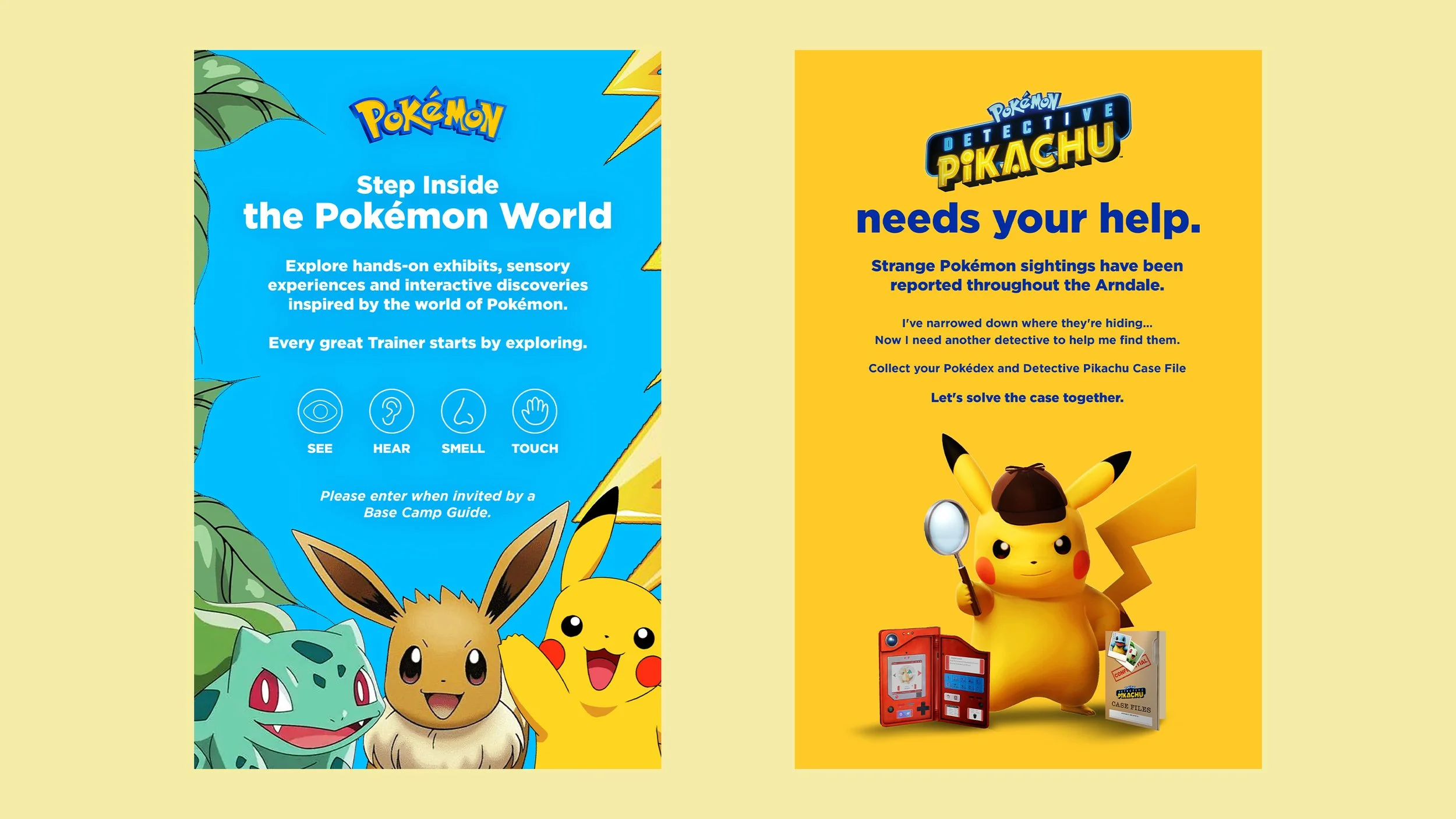
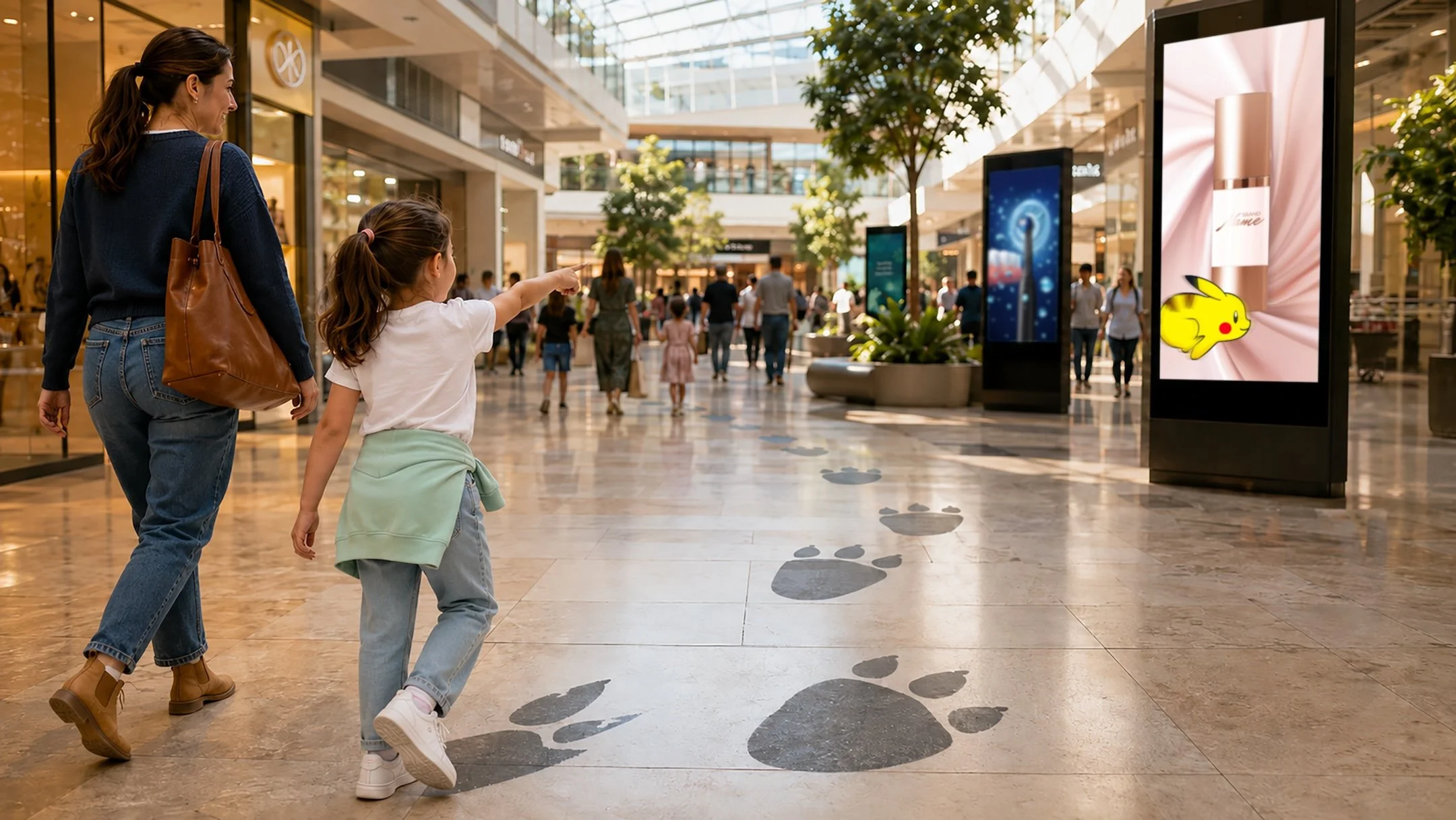
Before Pokémon Base Camp was announced, mysterious Pokémon sightings began appearing around the Arndale Centre.
There was no event announcement yet. Just enough to make people wonder what was going on.
02 · The Mystery Is Solved
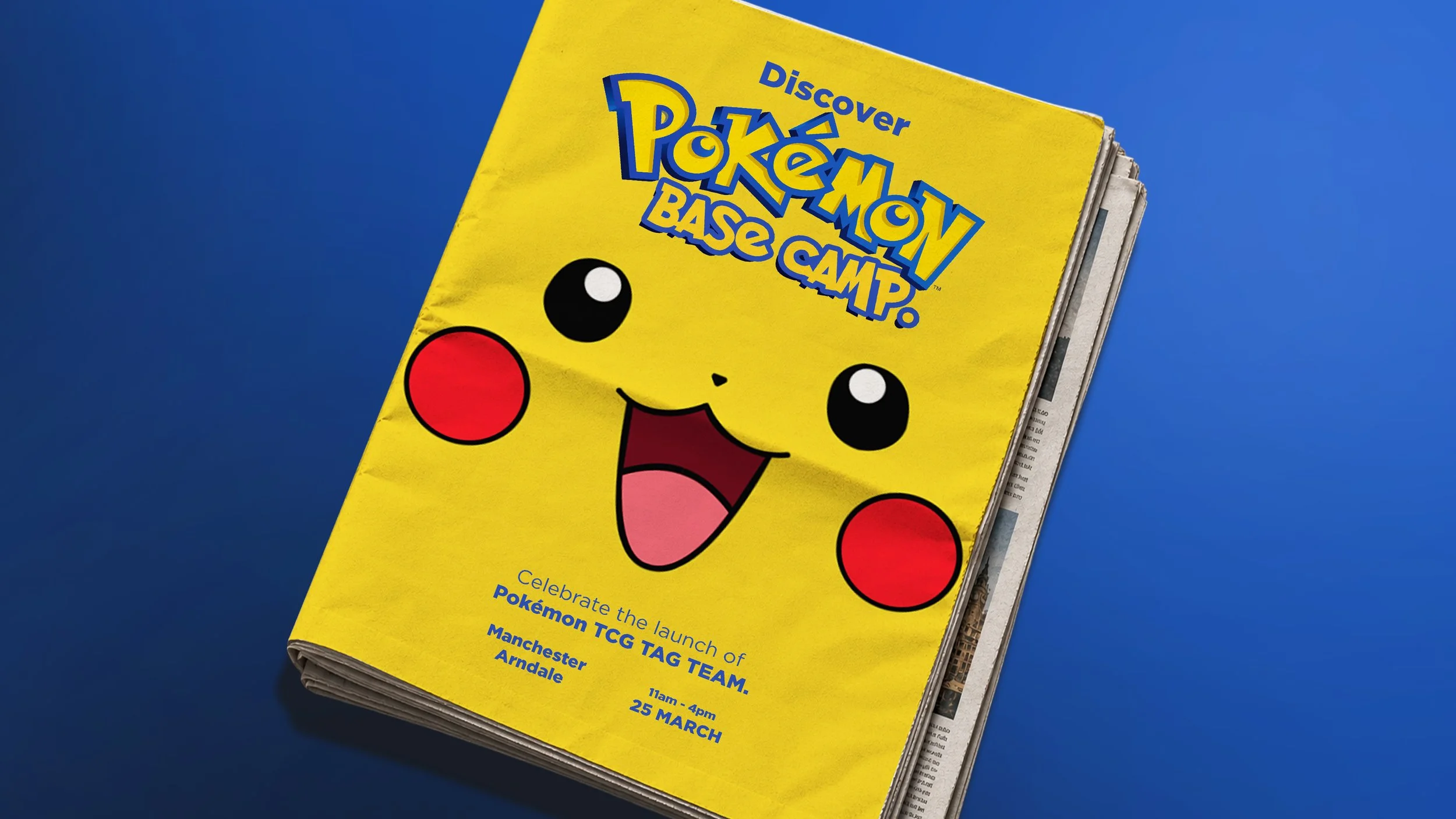
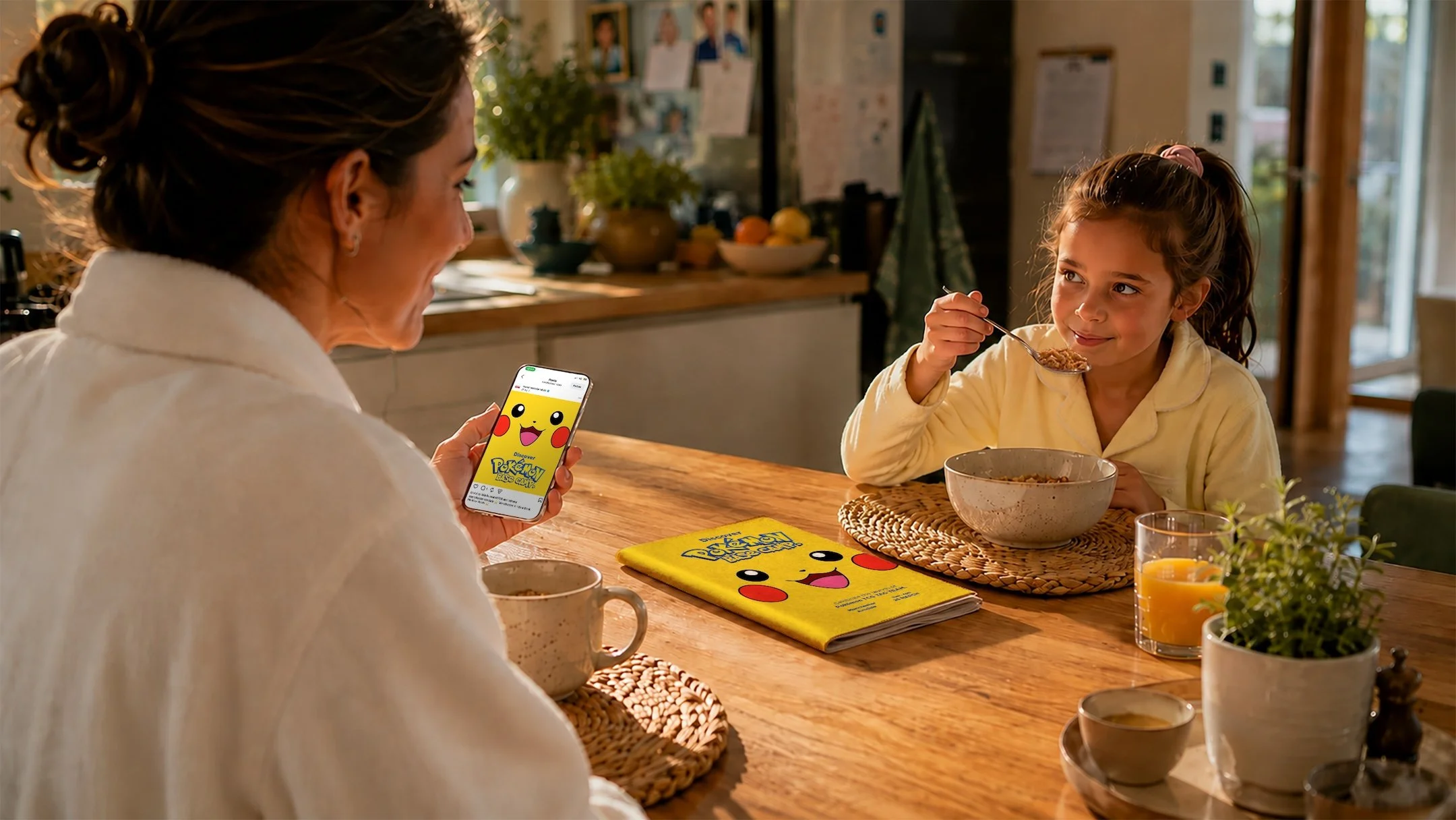
A week later, Pokémon Base Camp was revealed through local media and across the Arndale Centre.
The strange sightings suddenly made a little more sense.
03 · Arrival at Base Camp
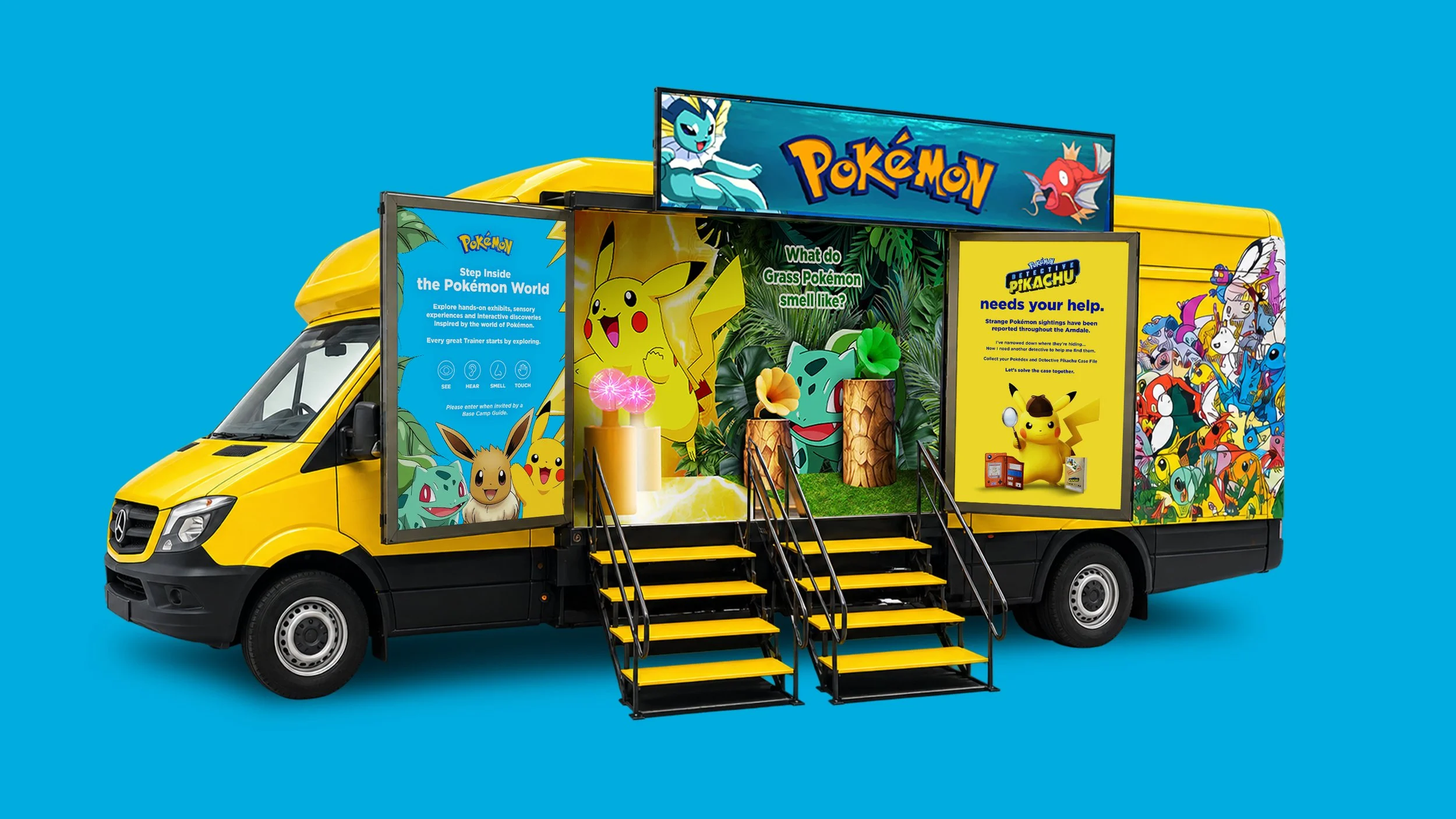
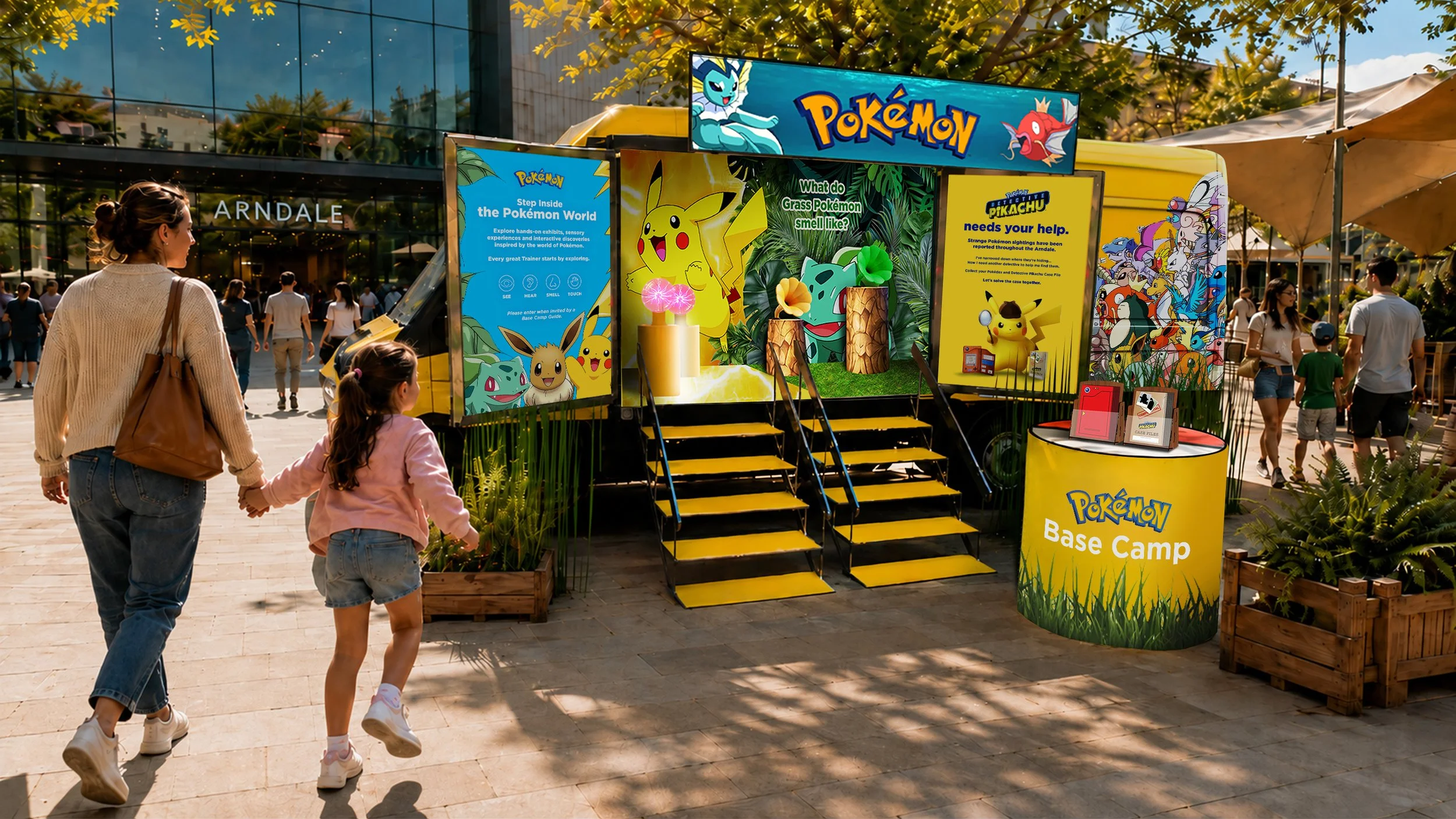
For many families, spotting the For many families, spotting the Discovery Truck was the moment the campaign became real.
Inside was a world of Pokémon exhibits and activities waiting to be explored.
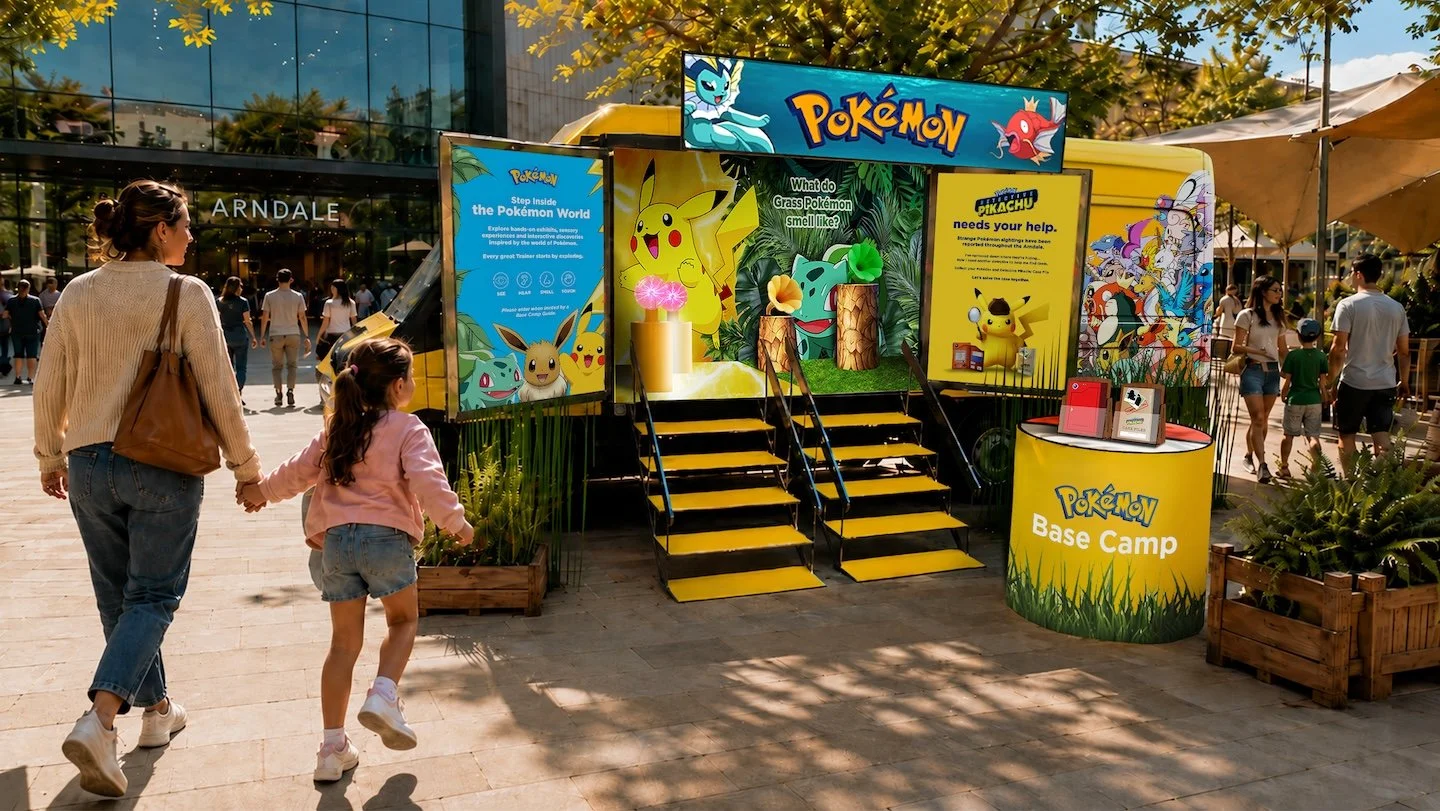
04 · Building Base Camp
Base Camp was designed to be explored freely.
Families could move between the Discovery Truck, investigations and TCG sessions in whatever order they wanted, with different parts of the experience naturally leading into others.
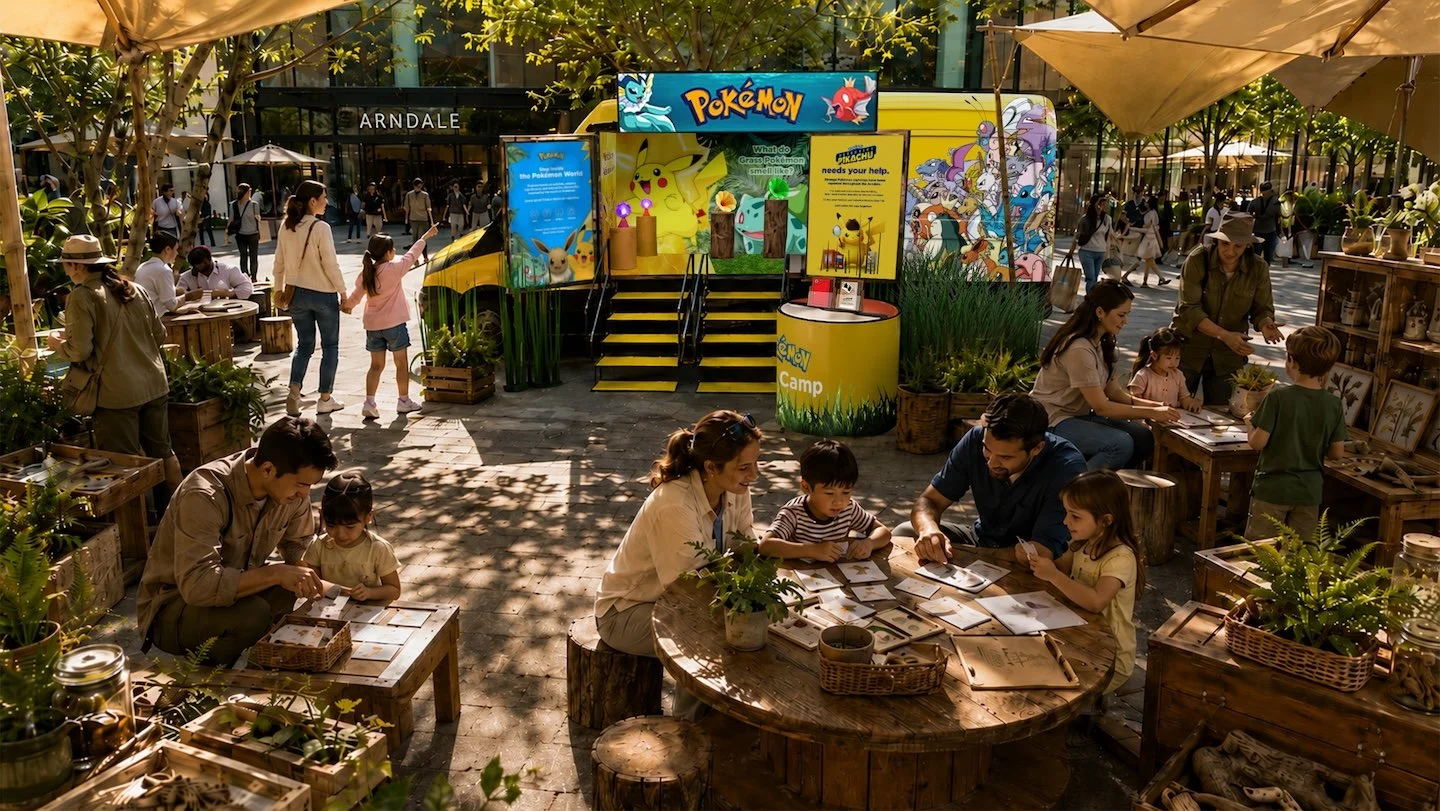
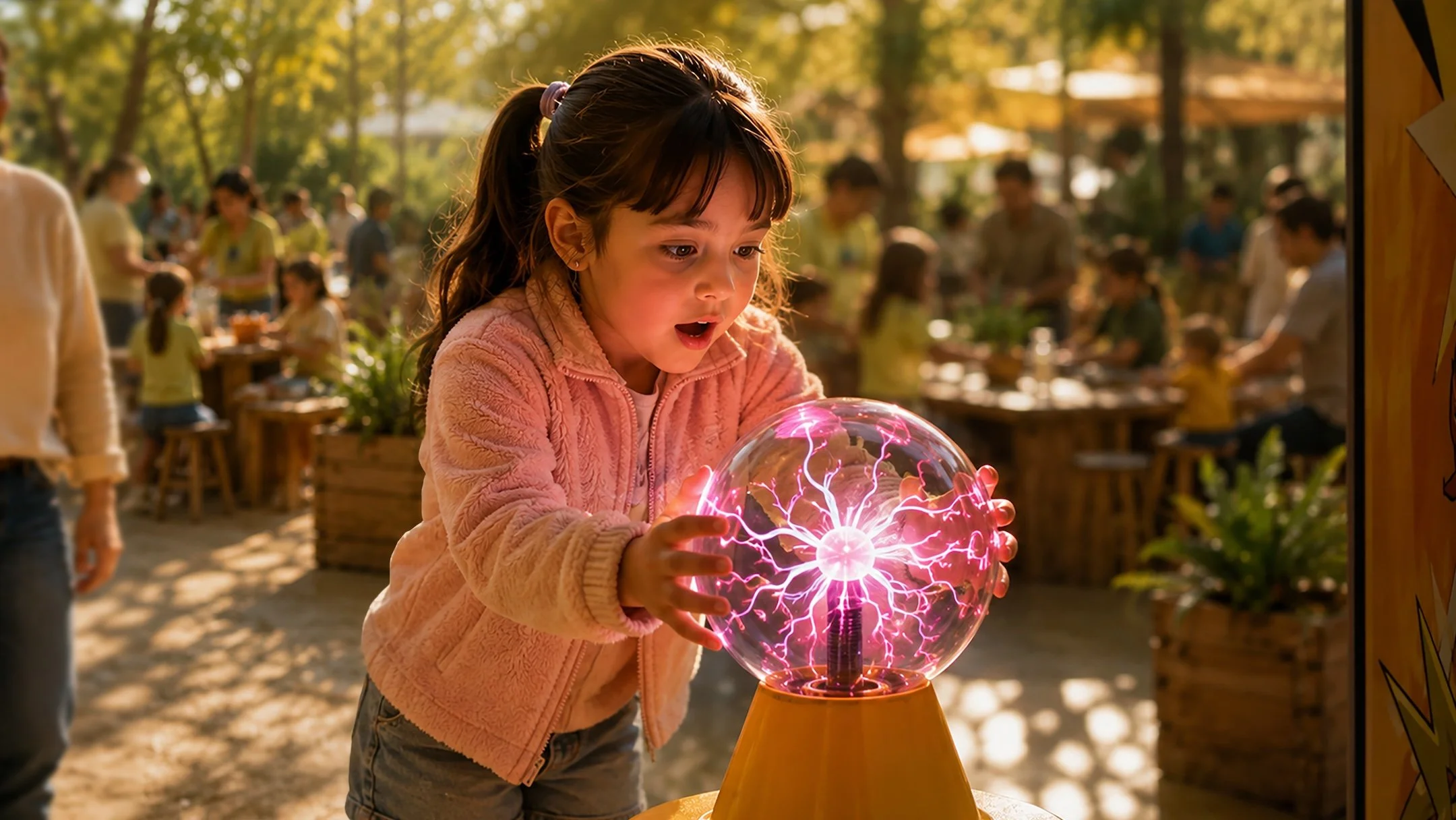
05 · Learning Through Play
Inside the Discovery Truck, children could experiment with Pokémon abilities first-hand and work out how different exhibits responded.
Some needed a little testing. Others rewarded simply having a good look around.
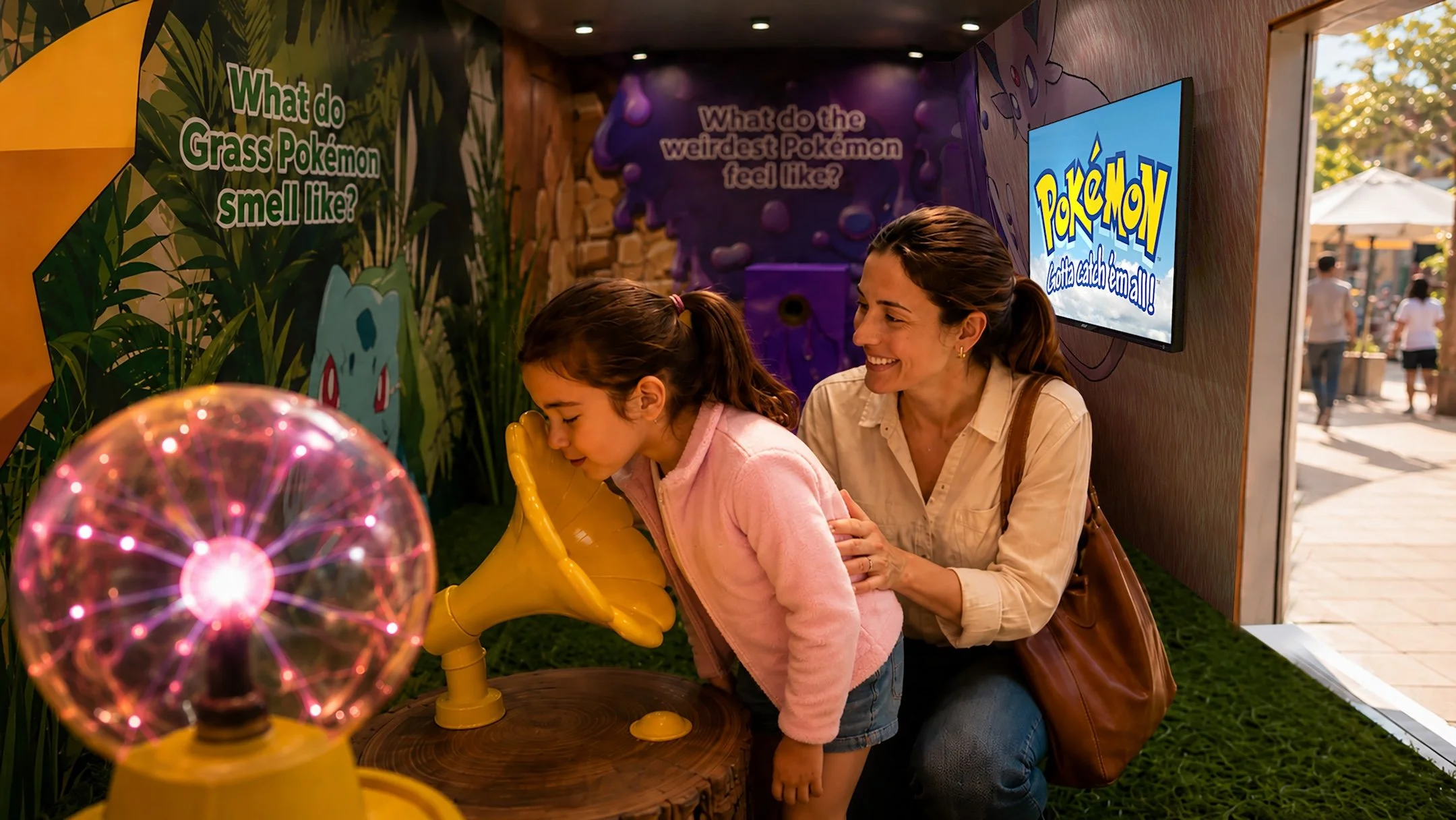
06 · Getting Closer to Pokémon
Some exhibits played with senses you don't normally associate with Pokémon.
Children could smell different Pokémon habitats and get physically closer to parts of the world they'd previously only seen on a screen.
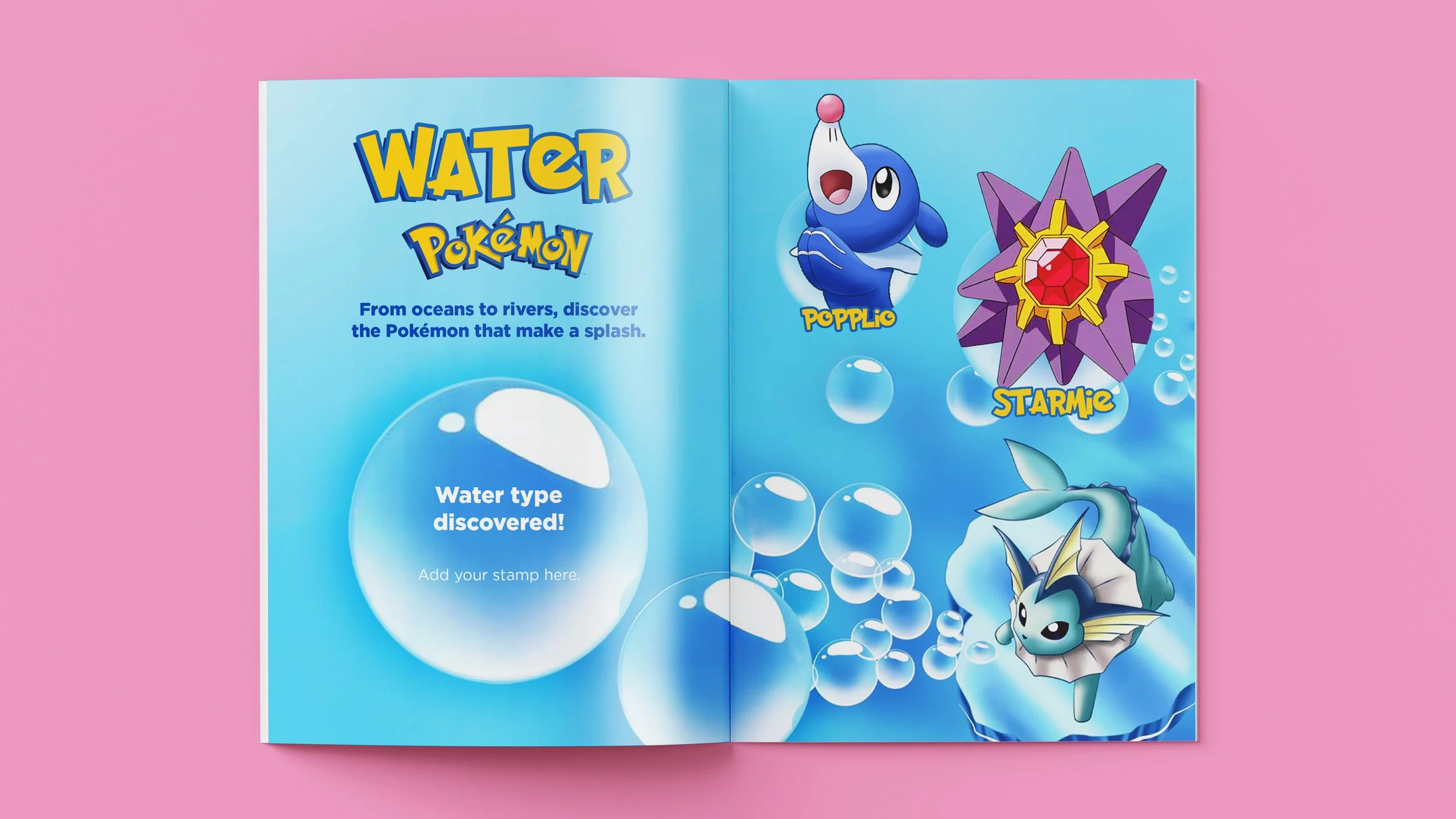
07 · Your Own Pokédex
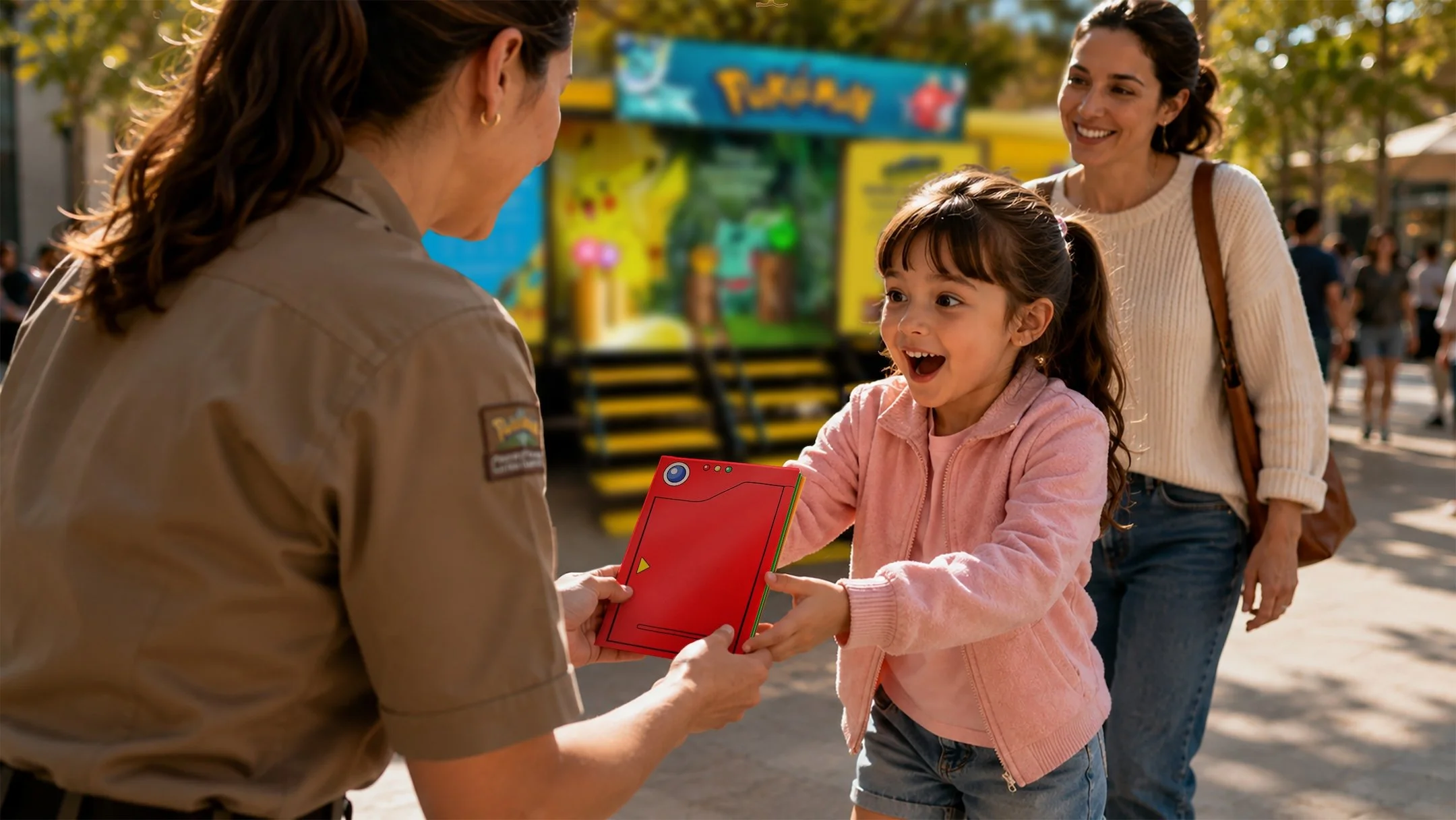
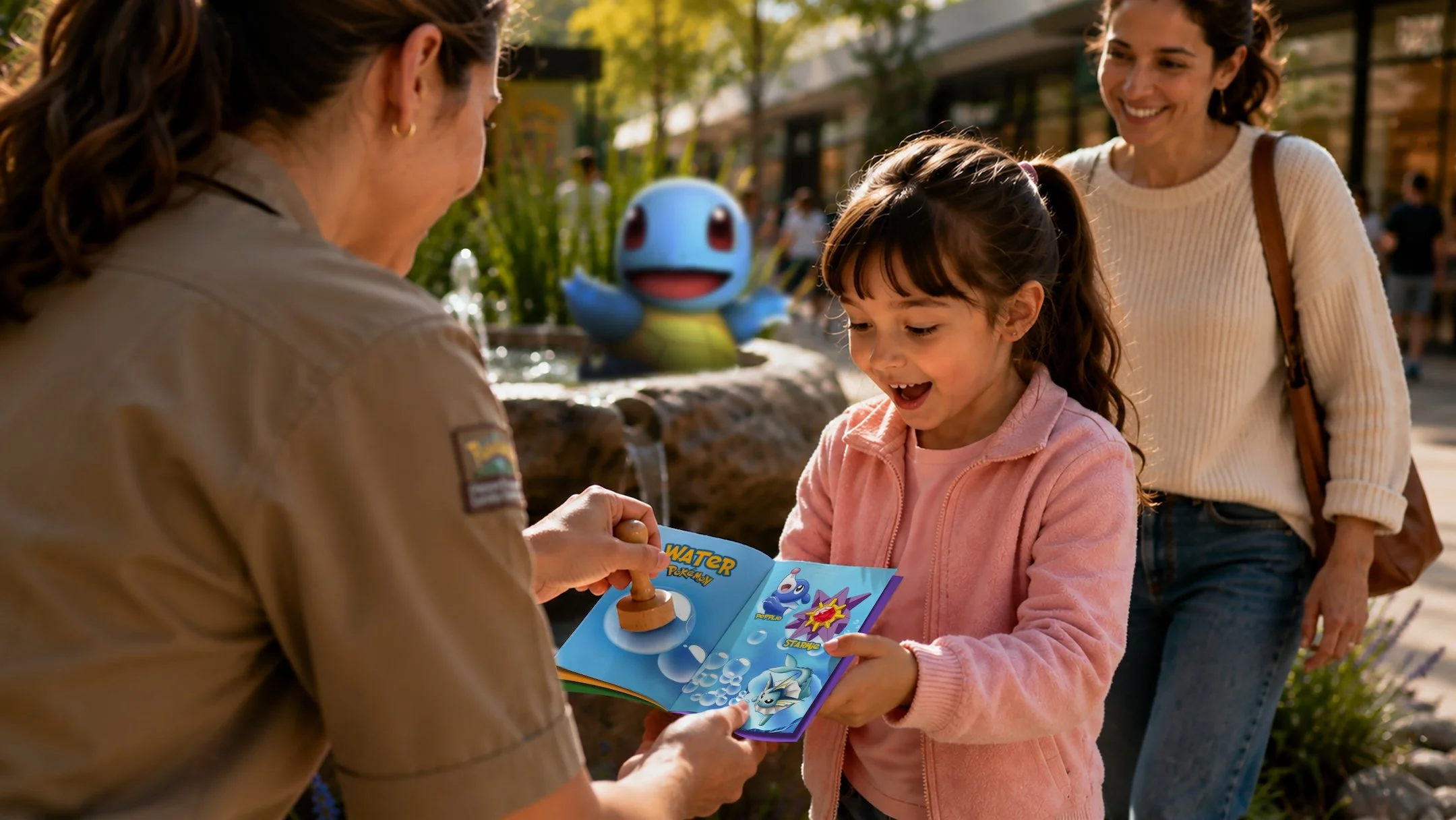
Every child received a Pokédex before setting off on Detective Pikachu's Investigation Trail.
It became their field journal for Base Camp, collecting stamps as they solved investigations and explored the experience.
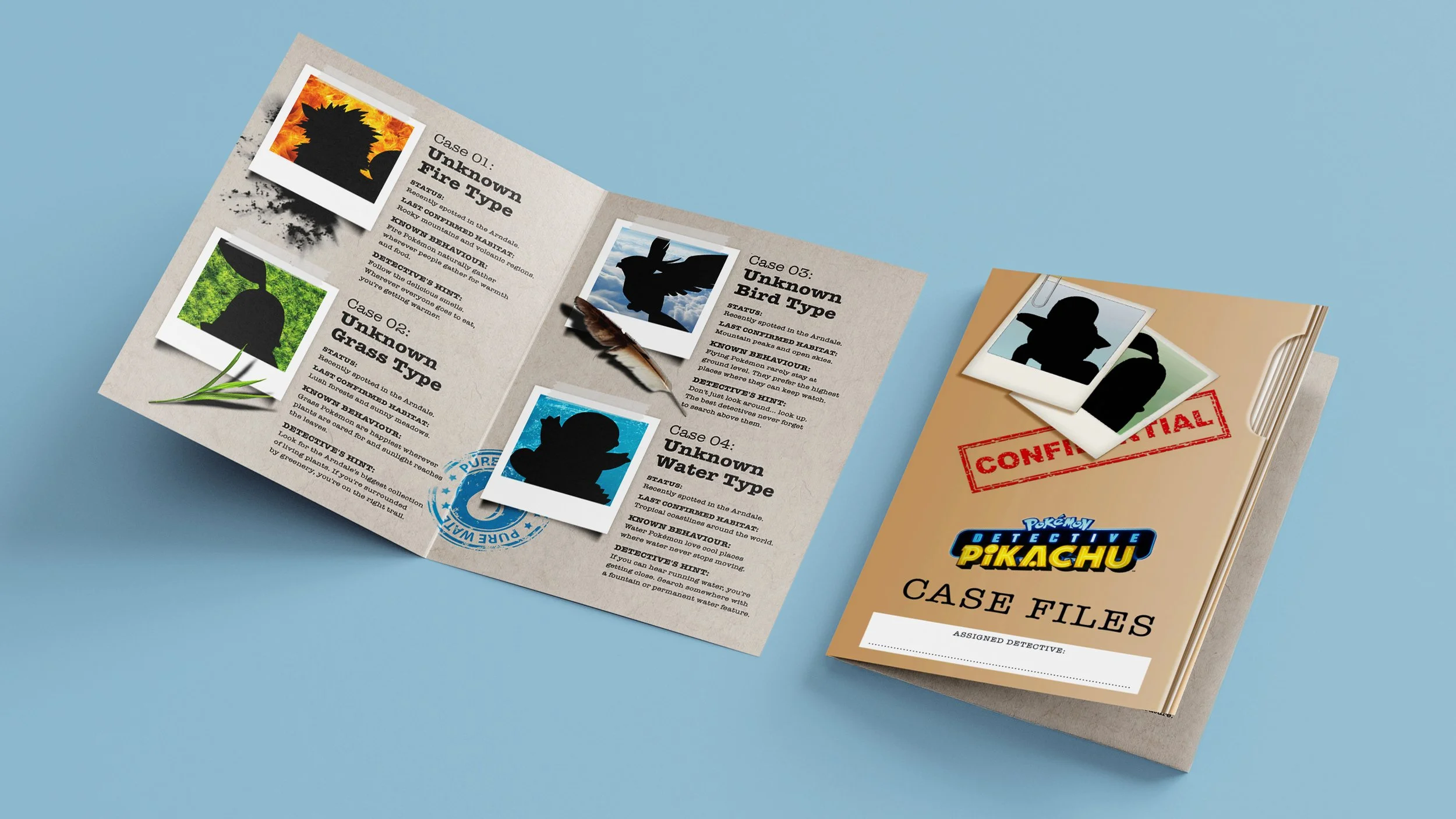
08 · Detective Pikachu's Investigation Trail
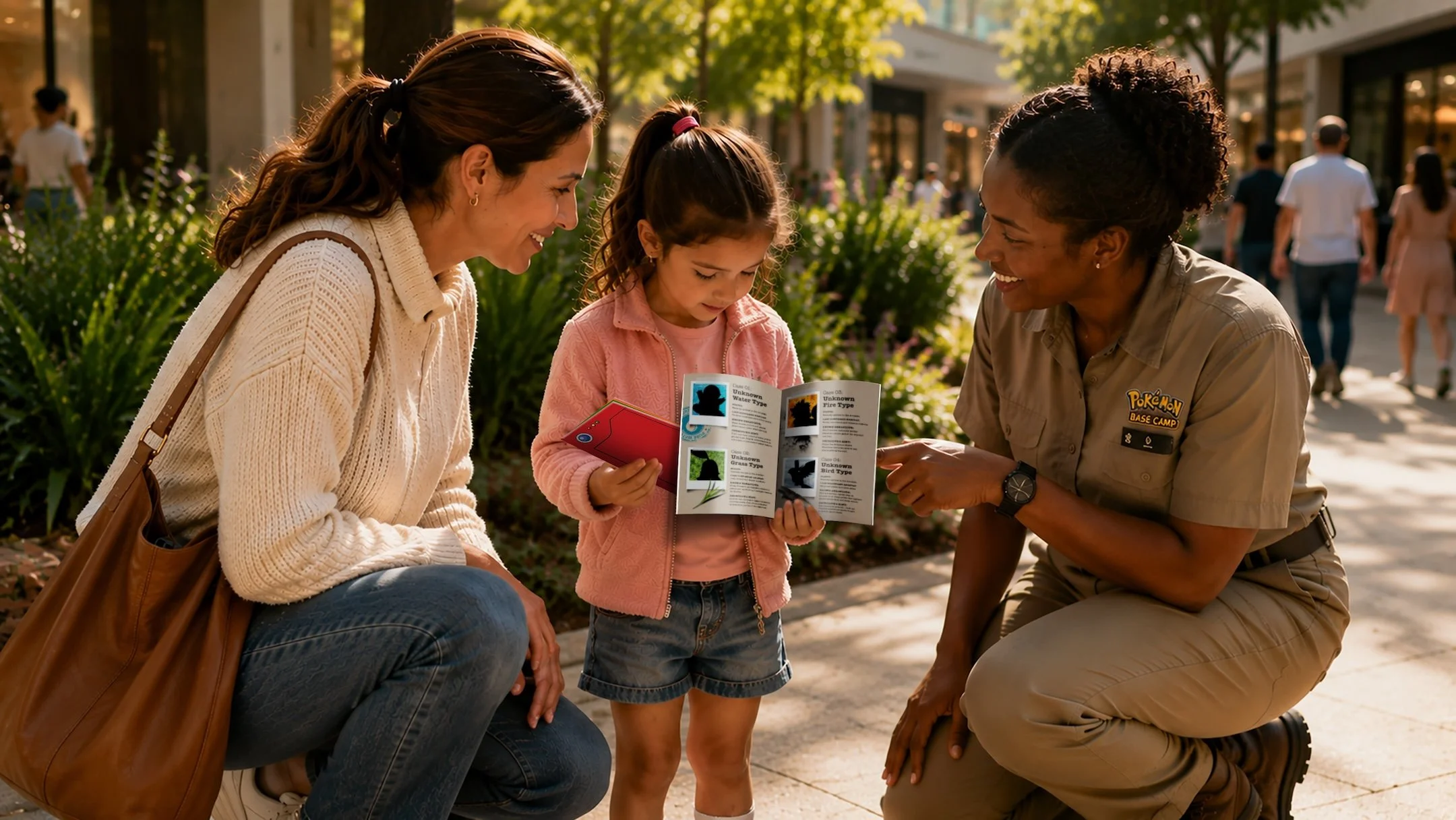
Case Notes sent children out around Base Camp looking for clues.
They had to pay attention to what was around them and work things out for themselves, with different clues taking them through different parts of the experience.
09 · Following the Clues
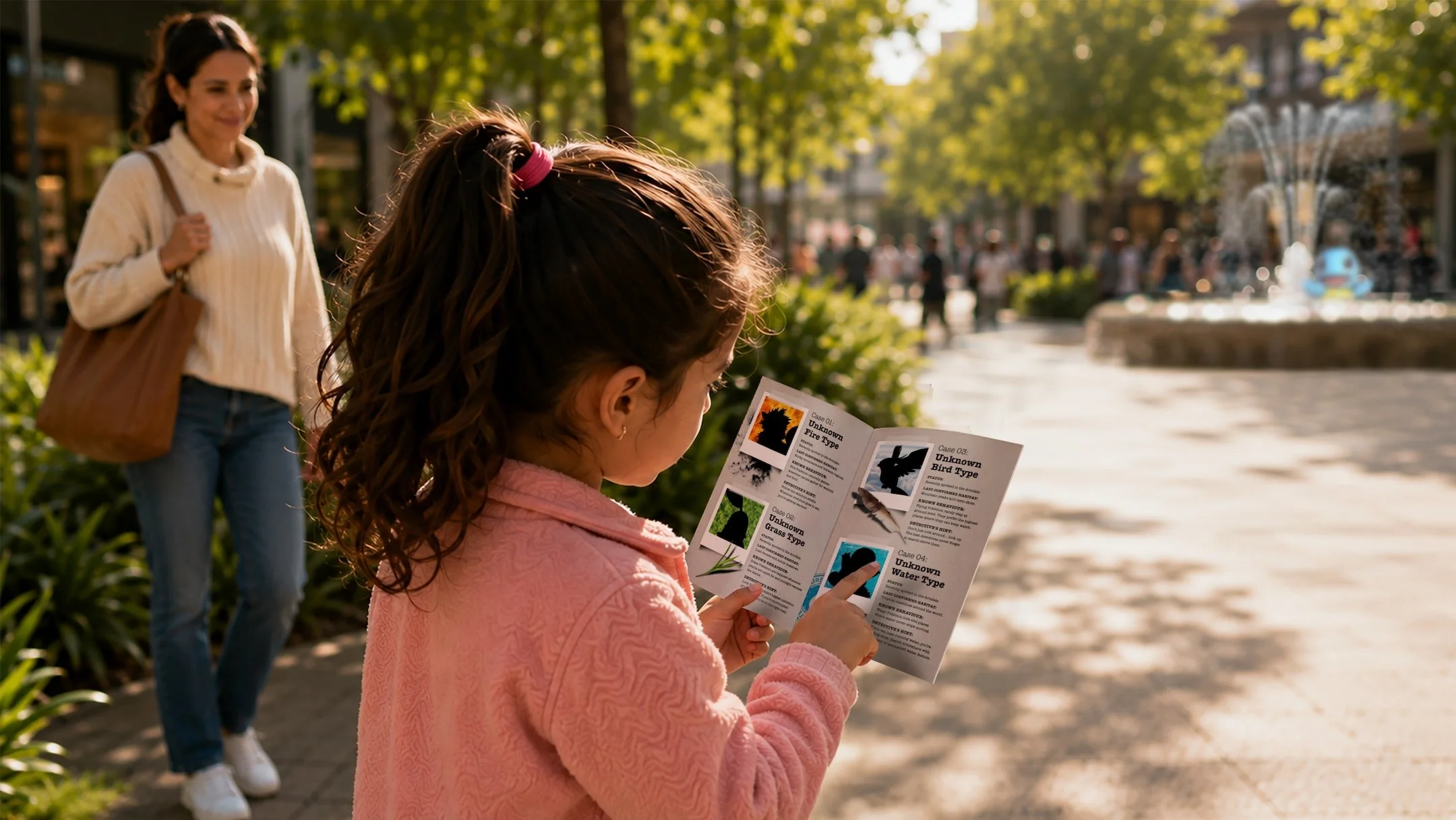
The investigation continued beyond the obvious places.
Children searched their surroundings for answers, gradually piecing the case together as they moved through Base Camp.
10 · Cracking the Case
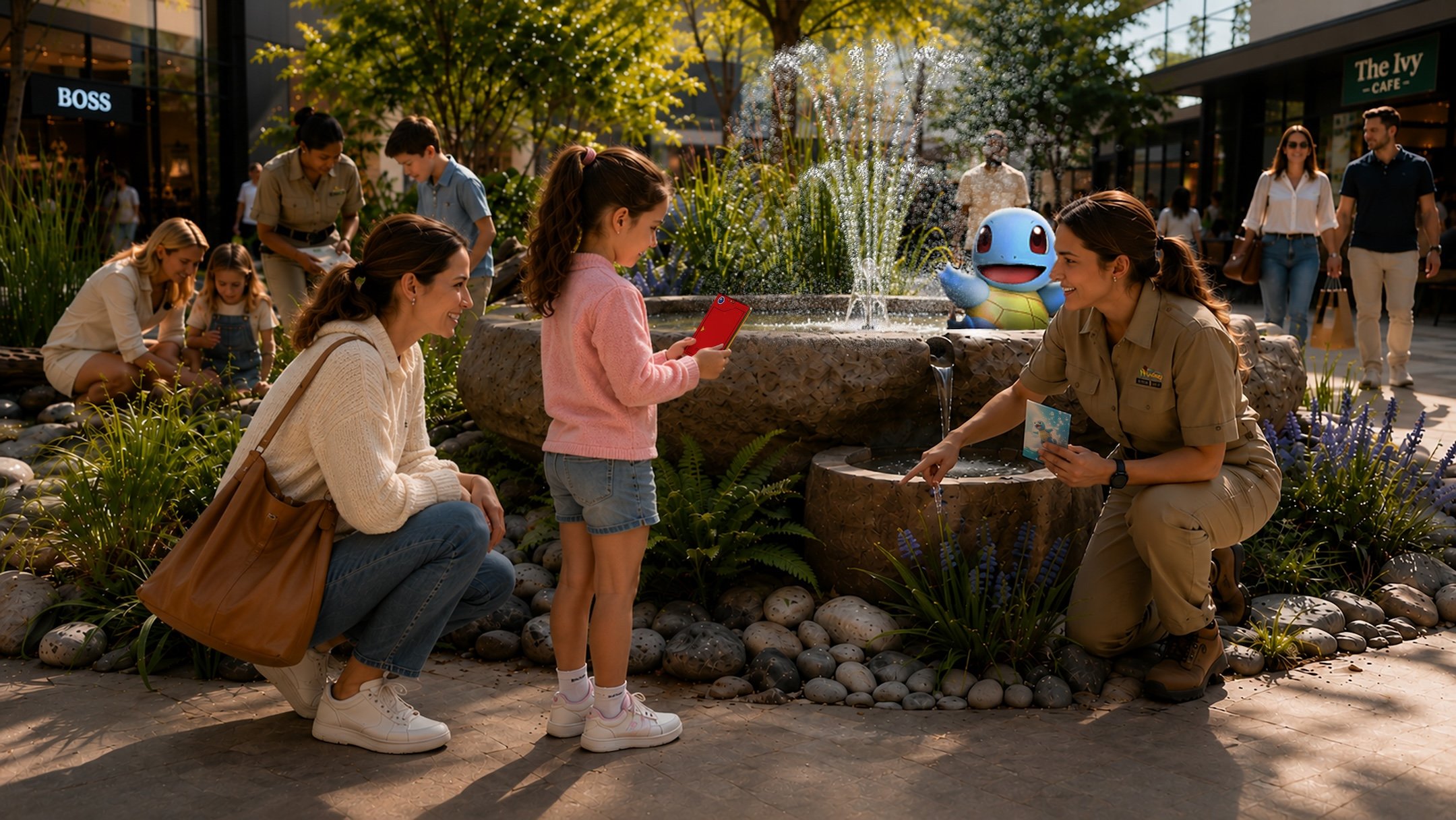
Once they'd solved an investigation, children could take their findings to a Base Camp Guide to see if they'd got it right.
11 · Another Stamp for the Pokédex
Each completed investigation earned another stamp, with a Water Badge waiting at the end.
A small reward for some fairly serious detective work.
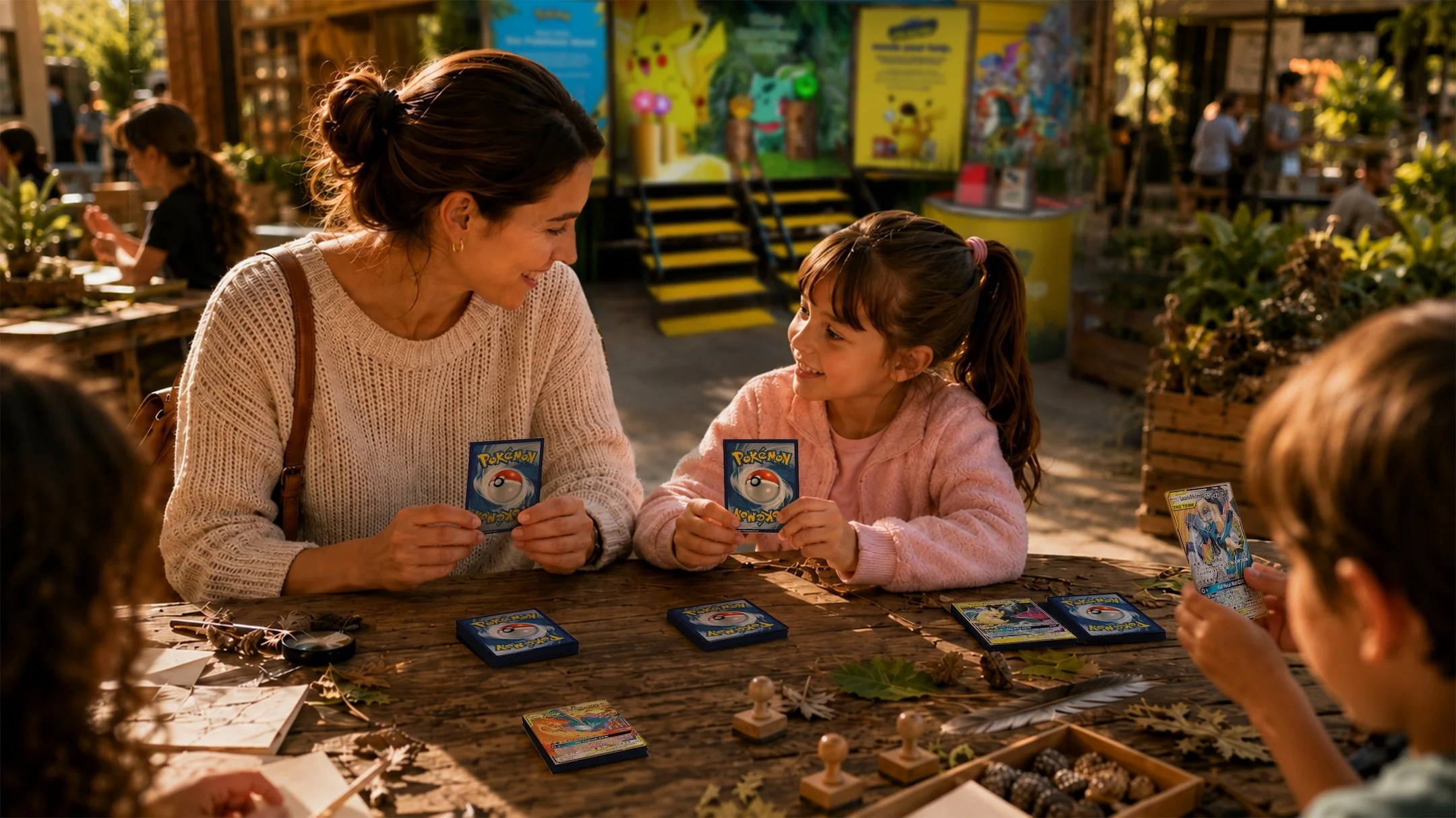
12 · Back to the Trading Card Game
The TCG sessions gave families the chance to sit down and actually play, with guides on hand to introduce the game and help first-time players get started.
By this point, they'd already spent their time observing Pokémon, testing things and solving problems around Base Camp. Now they could do it around the table.
Design in Detail
The same visual world ran through the Discovery Truck and the wider experience, including the environmental graphics, signage and campaign materials.
The smaller pieces mattered too. Pokédex stamp books, Detective Pikachu case files and the clues themselves were designed as things children could actually use as they explored.